Fries in Mcdo


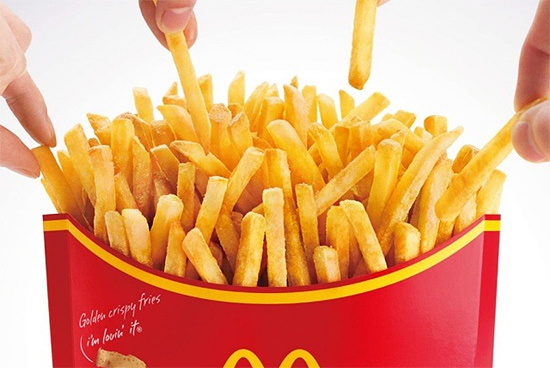
The first McDonald’s French Fries were made from fresh potatoes in restaurants, with employees peeling, cutting, washing, blanching in oil, and conditioning the potatoes before finishing frying them. The first cooking oil was an animal-based shortening and the blend specific to McDonald’s.


Early – Mid 1960s: 

McDonald’s Food Scientist Ken Strong and Food Researcher Edwin Traisman patented the McDonald’s frozen French Fry process which enabled McDonald’s potato suppliers to obtain the same great taste, color and texture characteristics that came from in-store preparation with more consistency.


Early – Mid 1970s: 

McDonald’s potato supplier partners perfected French Fry production with new technologies like the steam peeler, cutting systems, and Automatic Defect Removal equipment, enhancing quality and efficiency. 


2008:

McDonald’s System completed transition to the new 0-gram TFA canola blend cooking oil. 


Updated by PotatoPro in 2016:

In recent years, McDonald’s has released a number of video’s to clarify how their french fries are made. 


Siopao


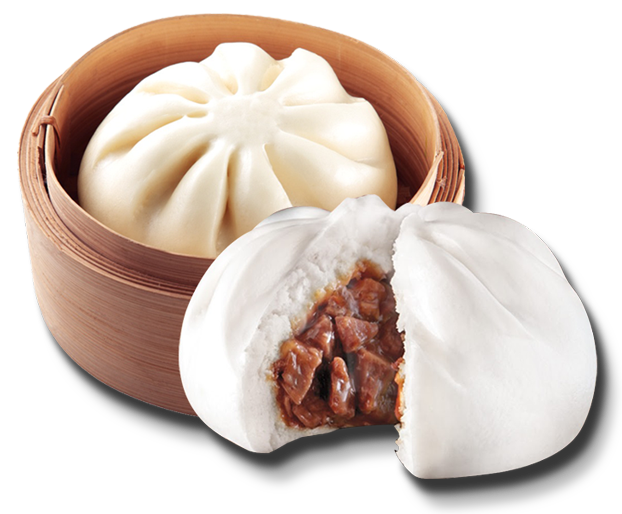
Siopao, literally meaning “hot bun”, is the Philippine version of the Cantonese steamed bun called cha siu bao. It is a popular snack sold mostly in Chinese restaurants or by sidewalk vendors in the Philippines. There are different varieties based on the filling: asado or bola-bola. There is also a baked variety. 

Siomai


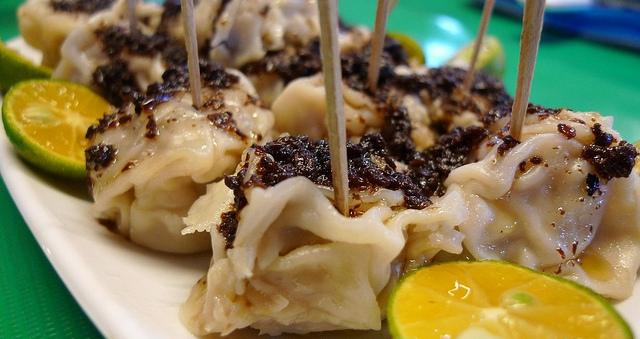
While the Philippines and China continue to square off over Scarborough and other disputed territories, a food trip through the streets of Binondo can easily make you forget about those territorial squabbles. While defining the boundaries of our country and that of our populous neighbor’s is simple enough for anyone who can read a map, identifying precisely when and where the Chinese influence on our cuisine starts and ends is a lot trickier. It’d be akin to trying to separate the components of a bowl of Yang Chow fried rice.

Our country’s trade with China started long before the Spaniards came. Scholars have found documents involving the Chinese that date all the way back to the 11th century while archaeologists have found numerous artifacts that had made their way to our shores at least two centuries prior.

Chinese merchants brought over pottery and silk in exchange for agricultural products like rattan and beeswax. Some of the merchants eventually settled here, and whenever they craved for a taste of home, they whipped up their native dishes using local ingredients. A number of Chinese migrants married Filipino women as well, all of whom later learned to cook their husbands’ favorites. Over time, the wives began to improvise and impart regional twists onto traditional Chinese recipes. As the years passed, the difference between Chinese and Filipino cuisines became virtually blurred and indistinct.

The following are just a handful of the Middle Kingdom’s delicacies that we Filipinos have come to embrace as our own.

Tuslob Buwa


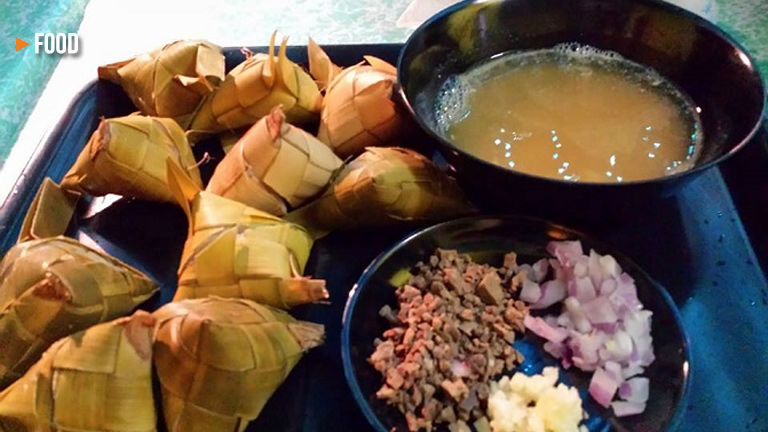
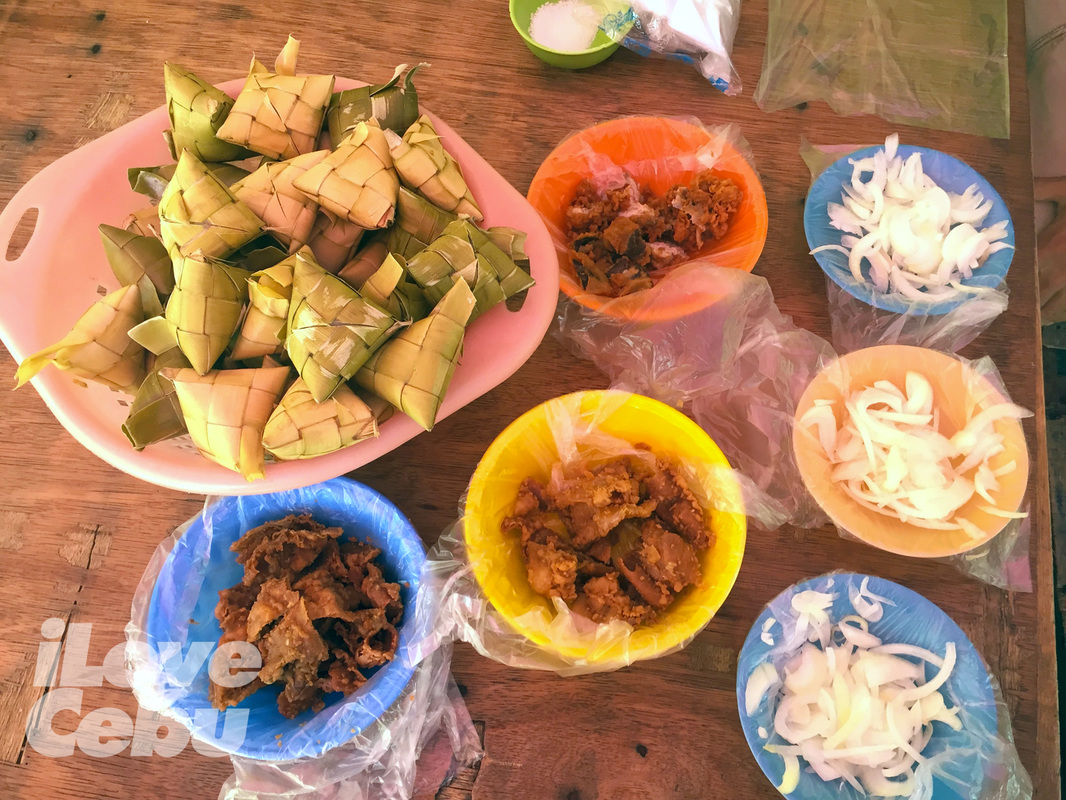
Tuslob buwa (which literally means “to dip into bubbles”), is a street food that works in tandem by dipping puso (or hanging rice) into the hot bubbling sauce made up of pig brain, pork liver or intestines (this may be optional), onions, oil, soy sauce or shrimp paste and other various seasonings.
In recent years, the tuslob buwa became somewhat of a fad. Restaurants like Azul offers its diners the chance to cook their own tuslob buwa in a butane stove and share the food among friends on the table. The original tuslob buwa, which could be found in your neighborhood, would let you share the food with strangers.
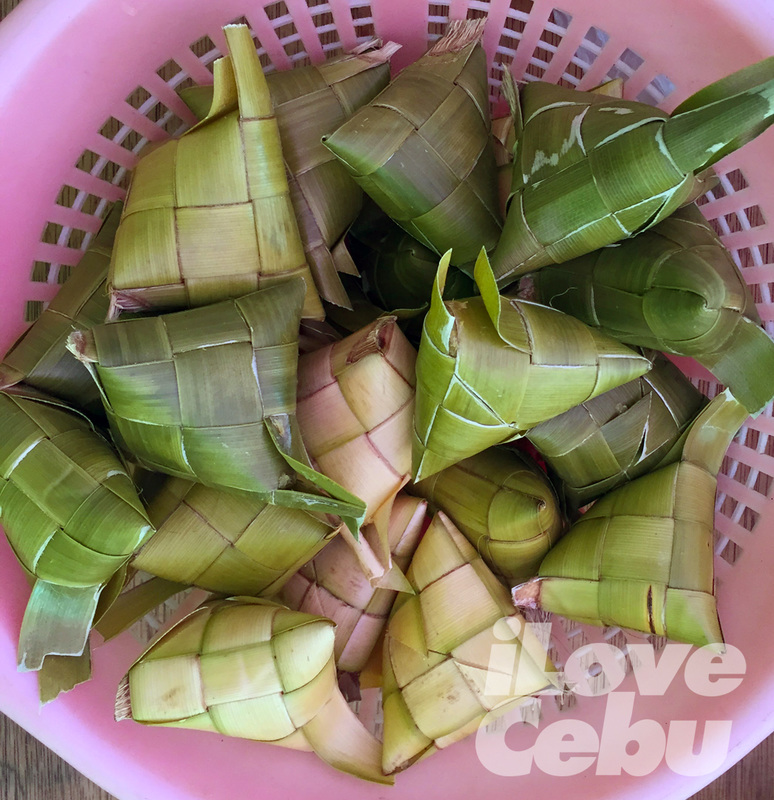
The initial concept of the tuslob buwa needs you to buy the puso from the street vendor and dip the puso into his heated wok where the sauce of mixed ingredients are bubbling. You tuslob into the buwa where other people dip their puso as well. This street food would only cost you less than P10.
Nobody knows for sure who invented the idea of the tuslob buwa, but it is commonly accepted that it originated in Barangay Pasil.
Back in 2014, The Freeman talked with 33-year old Diolita Tuan of Barangay Ermita (located just a short distance away from Barangay Pasil), about her tuslob buwa business she said she has been managing for 15 years.
Tuan said she took over the business from her mother Estela who made tuslob buwa in the 1990’s. However, many people believe that tuslob buwa existed even way before that.
In conclusion, nobody really knows who invented tuslob buwa, but we do know one thing; the tuslob buwa is Cebuano-made.

Punko-Punko sa Fuente


Having lived in Leyte, Los Banos and Manila for the most part of my life, I only 
got to really experience Cebu culture now that I moved to Mandaue. Prior to this, I have never even heard of Pungko-pungko. And so my cousins, who were born and raised in Cebu, took me out so I could try it for myself.


This article is for people who, like me, have no idea of what pungko-pungko is. A proper introduction of this Cebuano favorite is in order.

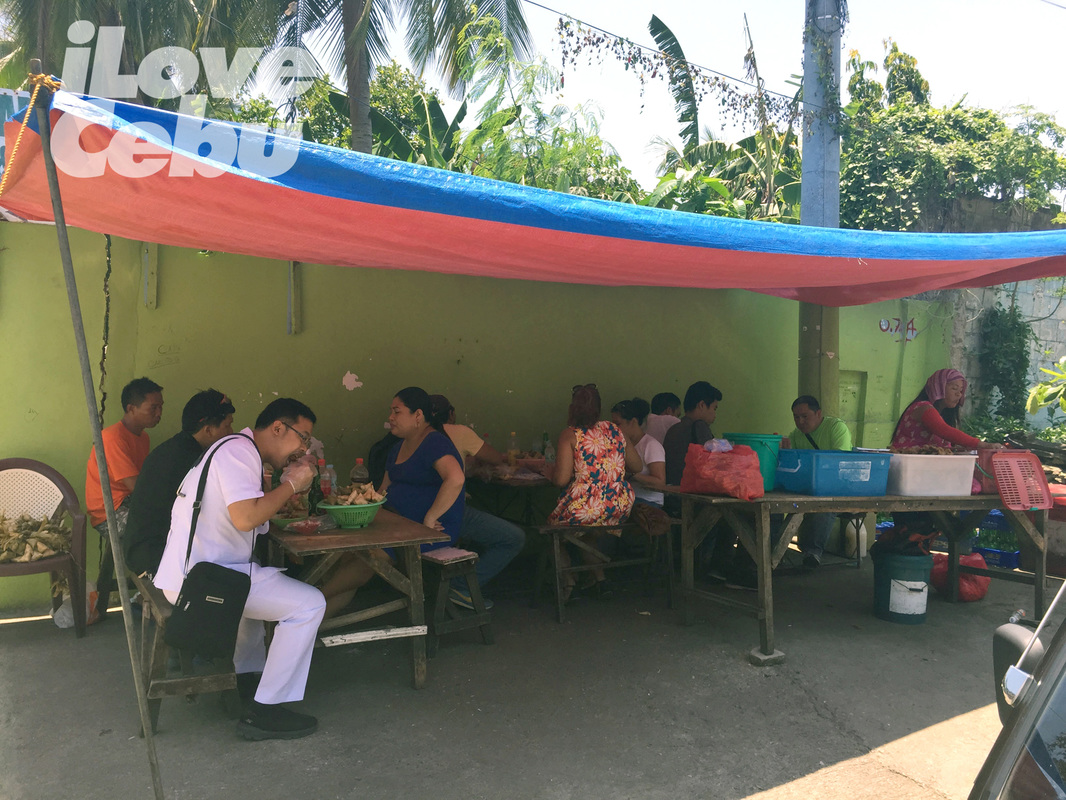
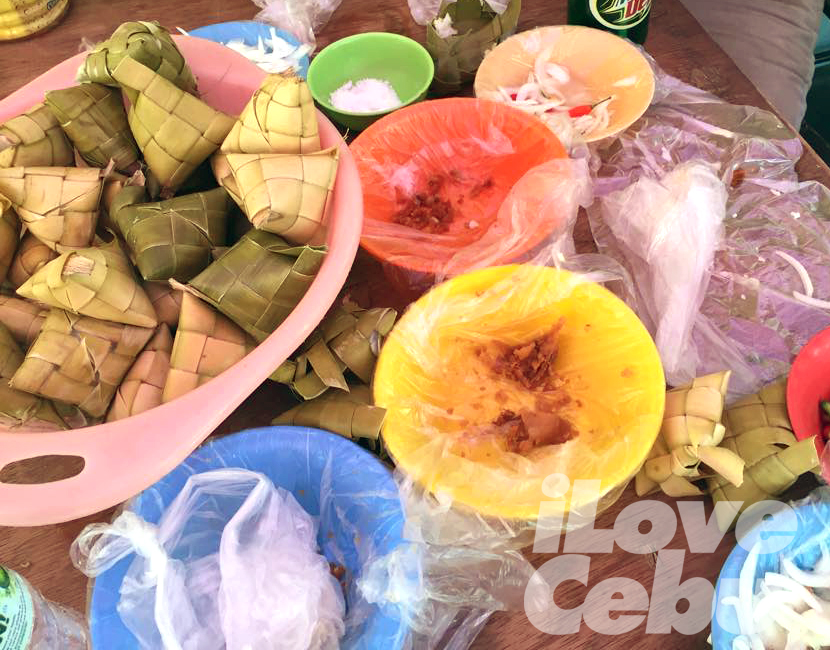
We start with: What is “Pungko-pungko?” Basically, PUNGKO-PUNGKO are food stalls that you find along the streets which sell a random assortment of fried food. The term “pungko” is Cebuano for squat or crouch. Usually you will be sitting on low benches so you will have to be slouching while eating.  Hence, the name “pungko-pungko.”


Nowadays, you can find pungko-pungko stalls just about anywhere, but we went to this particular one near Capitol Site. The more famous pungko-pungko stalls are found near Redemptorist Church, Fuente Osmena, and Salinas Drive.

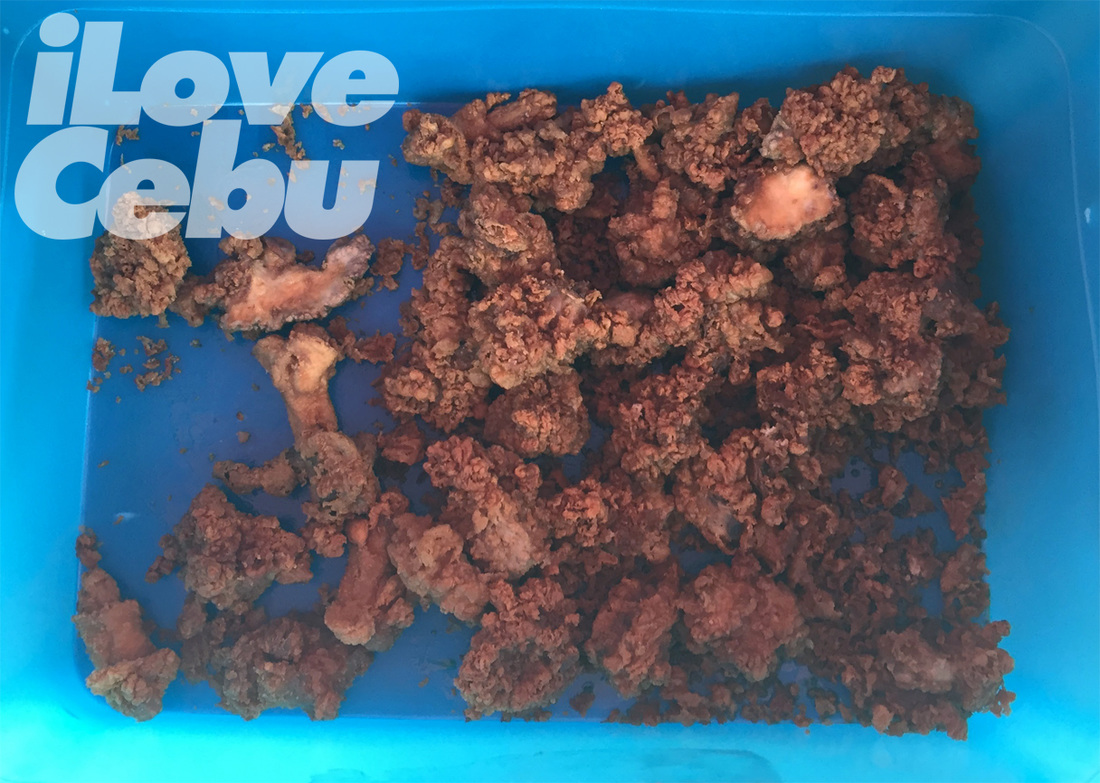
Normally, pungko-pungko stalls have a wide selection of fried food ranging from lumpia(spring rolls which can be made of meat or vegetables), bola-bola (meatballs), longganisa(Filipino sausage), fried chicken, buwad (dried fish), utok (brain), but the most prominent perhaps among these (and the star, if you ask me)  is the ginabot, the Cebuano version of the chicharon bulaklak. Sinfully good, but remember to take it in moderation!


This particular stall had limited choices (maybe because it was lunchtime and probably a lot of people arrived before us), but nonetheless, we had a little of each: utok, pancreas and of course, the ginabot.

And voila, just like that, all our food was gone in a flash! It is important that you take note of the food that you ordered, because you pay for the food that you declared. In short, honesty is the best policy here.

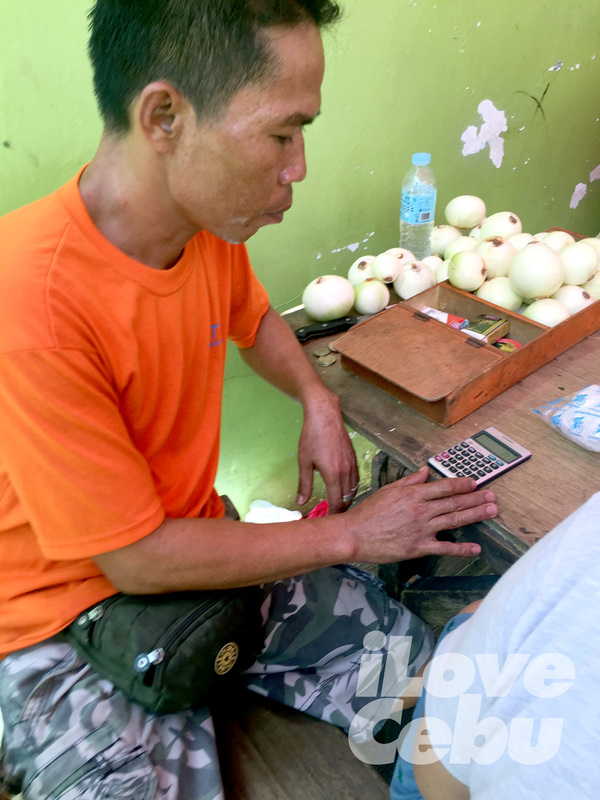
The kuya (presumably the owner of this stall) computes for our total bill. Would you believe that for everything that we ordered, we only got to spend P180 for 3 people? It’s no wonder this place is packed during lunchtime; it’s because it’s so cheap and filling, but also so good.


Overall, I would say I enjoyed my experience eating at the pungko-pungko, and it’s something I would make my Manila friends try when they visit Cebu. 

Cebu Lechon


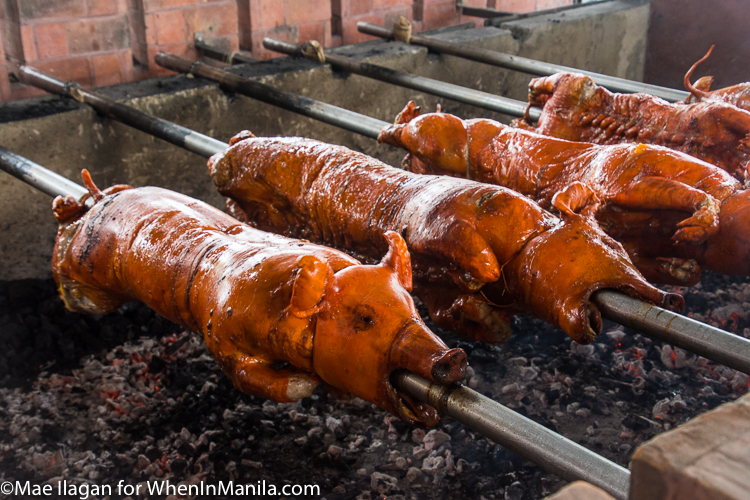
Lechón is the Spanish word for suckling pig and in the Philippines, it connotes a whole roasted pig or “ litsong baboy,” in the local language. The process of cooking the lechón involves the whole pig or piglet that has been impaled in a bamboo branch and being slowly roasted over charcoal. The roasted pig is often cooked during national festivities or fiestas, the holiday season, birthdays, weddings, baptisms, family reunions, and other special occasions.
The typical method of roasting lechon involves placing the pig on a spit and roasting it over charcoals while wiping the skin with a brush made out of leaves drenched in water and the pig’s own fat. This makes the skin to become tender, crispy and crunchy that further adds to the delectable taste of the dish.
The lechon is usually served with a liver-based sauce. But in some cases, it may be served Chinese style with steamed buns and a sweet plum sauce. In addition, the left-overs from lechón is easily recycled into another delicious dish called “litson paksiw”. It involves cooking the left-over lechón by boiling it in vinegar to make the meat moist and the skin very soft. Some of the provinces in the Philippines have their own way of cooking and preparing their own version of the lechon. One of these versions is the Lechon Cebu from the province of Cebu.
The popularity of Lechon Cebu has made it one of the best tasting versions of lechon in the Philippines. The uniqueness of the lechon from Cebu comes from the stuffing for the lechon and the sauce dip used for it.
The Lechon Cebu is stuffed with lemongrass, a local variety of banana known as “saba,” or taro plant, green onions, sliced onions, whole cloves of garlic, cracked black pepper, lots of salt, and some other condiments. That stuffing gives the Cebuano lechon its unique crispy and sweet taste that is loved by people from Filipinos and even foreigners.
The sauce used as a dip for the lechon usually consists of ketchup, or a fish paste known as “bagoong,” that is served together with kalamansi. The two most popular lechon suppliers in Cebu City are CnT Lechon House and Alejo’s Lechon, but there are also some suppliers from nearby Carcar and Talisay that offer equally delicious and tasty lechon.

Food Trip

Our Topic talks about different kinds of foods and its best delicacies somewhere in Philippines.

In my opinion food trip is a kind of a hobby that mostly all of us people loves it. In this new generation, people find ways to try some new delicious foods, not just here in Philippines but also other country. But limitation is still their by preventing some illness that will effect to our body if we do it abusively.